
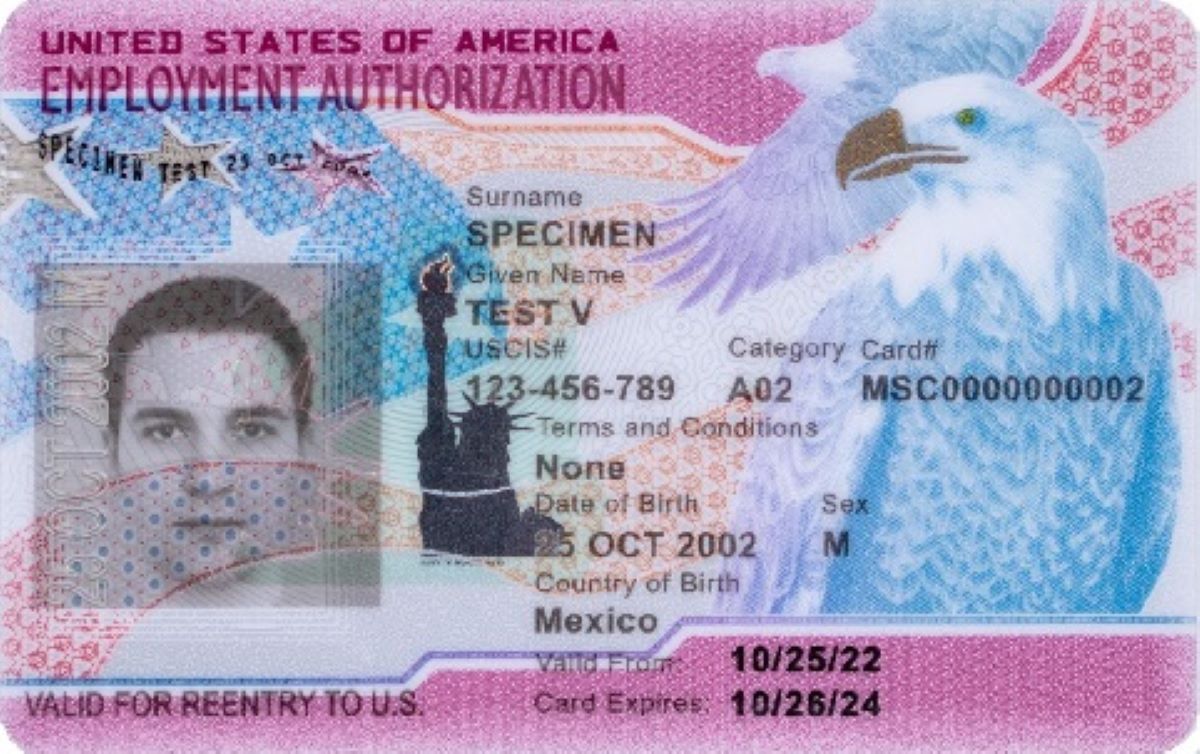
The U.S. Department of Homeland Security (DHS) is proposing to change its regulations governing how U.S. Citizenship and Immigration Services (USCIS) issues work permits (more formally known as employment authorization documents or EADs) to aliens who have submitted applications for asylum. Current law allows asylum applicants with pending applications to receive work authorization in the United States while their claims are pending. This rule will impact both defensive asylum applicants (including from aliens who make credible fear claims at the border) and affirmative asylum applicants (aliens who apply for asylum directly with USCIS, not as a defense to removal).
Specifically, DHS is proposing to increase the time asylum applicants must wait after they submit an asylum application to apply for an EAD from 180 days (the statutory minimum) to 365 days. The rule will also add regulatory bars to EAD eligibility, including barring:
- Asylum applicants who would ultimately not be eligible for asylum because of criminal activity;
- Applicants who waited more than one year from the date they arrived in the United States to file their asylum application (which is, generally, another bar to asylum eligibility); and
- Applicants who illegally entered the United States, subject to limited exceptions.
Additionally, the rule proposes to codify a policy in regulation that all asylum-based EAD applicants, including EAD renewal applicants, submit biometrics before they can receive a work permit. Currently, DHS requires biometric submissions from all asylum applicants in connection with the asylum application, but it has not had a routine biometrics requirement for the asylum-based EAD application. The agency noted that the status quo complicates adjudications because it hinders immigration officers’ ability to conduct criminal background checks and determine if an applicant has been convicted of an aggravated felony and is thus ineligible for the permit.
Moreover, the rule will require USCIS to prioritize the adjudication of asylum applications where, in the process of adjudicating the applicant’s EAD request, USCIS uncovers derogatory information that would restrict the applicant’s ability to receive asylum. Similarly, USCIS officers will be required to deny an EAD application if the underlying asylum application is ultimately denied during the time the EAD application is pending.
The most notable policy change the rule proposes, however, is a requirement that USCIS pause accepting EAD applications when processing times exceed 180 days. After such a pause is implemented, acceptance of initial asylum-based EAD applications would resume when the average processing time for affirmative asylum application adjudications over a consecutive period of 90 days is less than or equal to 180 days. DHS claims that the rule requires pauses to be based solely on processing times and not agency leadership discretion.
Because USCIS’s current affirmative asylum processing times are significantly greater than 180 days, DHS noted that this change, if made alone, could end the agency’s receipt of asylum-based EAD application for numerous years. DHS estimated that if the status quo remained, USCIS could take between 14 and 173 years to reach a 180-day processing time. DHS emphasized, however, that this estimate was made without accounting for the other policy changes proposed by the rule, which DHS expects, when taken together, to significantly shorten processing times.
The department explained that the rule is designed to reduce incentives to file fraudulent or frivolous asylum applications for the purpose of receiving an EAD, bolster national security, and preserve adjudicatory resources to improve agency efficiency. “Ultimately, reducing frivolous, fraudulent, or meritless asylum filings will enable USCIS to dedicate an increased share of its finite resources to adjudicating meritorious asylum applications, including backlog cases, and other pending benefit requests.”
DHS also noted that, “USCIS’ receipts of initial applications for employment authorization based on a pending asylum application have reached a historic high and USCIS’ adjudicative resources are strained.” USCIS currently faces a 1.45 million case backlog in its affirmative asylum portfolio — a historic high. As of April 2025, USCIS estimates that approximately 82,700 pending cases were filed by aliens who ultimately may be barred from asylum because they were living in the United States for at least 10 years at the time of filing their asylum applications.
The immigration court (defensive) asylum backlog is currently over 2.35 million cases. Many of these applicants will wait numerous years, in some cases more than a decade, before their first immigration court hearing.
“Due to how long it can take to adjudicate an affirmative asylum application, and because of the significant disparity in the eligibility requirements between an asylum application and [an asylum-based] EAD, there is little to dissuade an alien from filing an asylum application for the sole purpose of obtaining employment authorization, even when an alien is statutorily ineligible for asylum or there is minimal likelihood that asylum would be granted.” Currently, the average processing time for an affirmative asylum case is 1,278 days.
Public Participation Opportunity
Anyone can take part in this rulemaking process by submitting a public comment. The comment period for this proposed rule will be open for 60 days after publication in the Federal Register (on or about April 24). During this time, any member of the public can submit feedback, including support, opposition, or relevant policy alternatives, through regulations.gov by searching “DHS Docket No. 2025-0370”. Generally, all comments are publicly available for review, and agencies must review and respond to all relevant comments before they can finalize the regulation.