
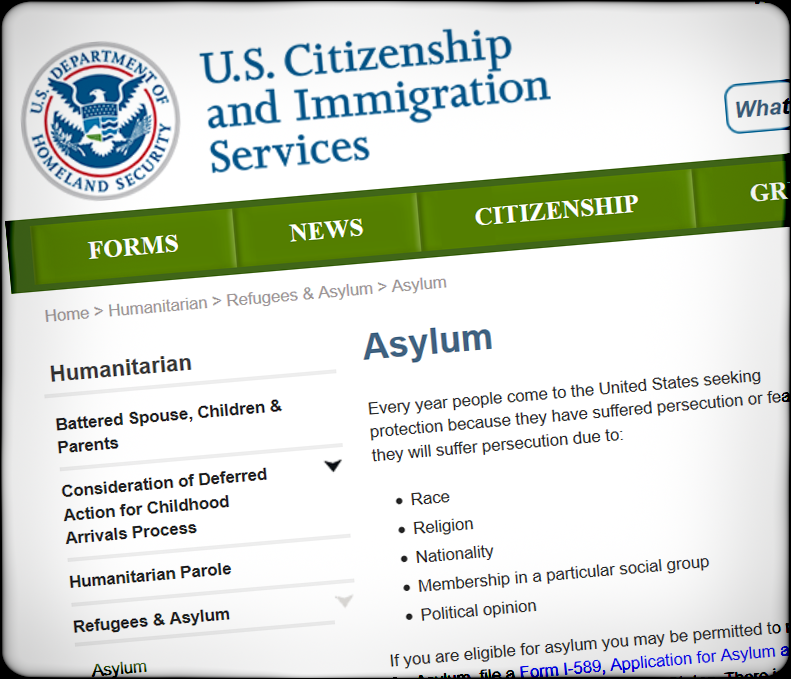
The U.S. Department of Homeland Security (DHS) recently issued a regulation intended to expedite the adjudication of certain affirmative asylum applications by allowing U.S. Citizenship and Immigration Services (USCIS) asylum officers to refer cases directly to immigration judges without first conducting an interview. The rule is designed to reduce USCIS's historic affirmative asylum backlog, which surpassed 1 million pending cases for the first time during the Biden administration and has continued to increase. USCIS now reports approximately 1.43 million pending affirmative asylum applications.
An affirmative asylum application is filed by an alien who is not in removal proceedings and affirmatively seeks asylum with USCIS by submitting Form I-589. If USCIS does not grant the application and the applicant lacks lawful immigration status, DHS generally places the applicant into removal proceedings, where the asylum claim may be renewed before an immigration judge.
The new rule, therefore, will allow USCIS to more quickly remove cases from their docket by referring cases asylum officers believe will not be meritorious to EOIR. Specifically, the rule permits USCIS to refer an application without conducting an interview when an asylum officer determines that the USCIS cannot grant an application because the alien is barred from applying for asylum due to the one-year filing deadline, is barred from a grant of asylum, does not merit a grant as a matter of discretion, or is not eligible on the merits of the claim. The rule also gives USCIS flexibility to issue future policy guidance about which categories of cases should be prioritized by the agency for referral without interview based on evolving trends and agency priorities.
Although applications processed under the rule will more quickly place some affirmative asylum applicants into removal proceedings, the overall number of applicants who will ultimately be referred to EOIR will not necessarily increase significantly. This is because the rule is designed to allow officers to refer applications without interview where the application will have likely been referred even if an interview had been conducted.
Long Overdue Reform
Under the prior process, asylum officers generally were required to schedule and conduct interviews before referring an applicant to immigration court, even in cases where the application was facially ineligible for approval or otherwise warranted referral. Conducting interviews in such cases consumes limited adjudicatory resources, delays decisions for applicants with potentially meritorious claims, and contributes to the continued growth of the backlog. By permitting asylum officers to refer certain cases directly to immigration judges without first conducting an interview, DHS seeks to devote scarce resources to cases that require full adjudication while moving clearly non-approvable cases into removal proceedings more efficiently.
An applicant will still have the opportunity to have their case heard, but the new rule will cut down on the time it takes the federal government to make a final decision on applications that asylum officers identify as having low likelihoods of success.
An applicant will still have the opportunity to have their case heard, but the new rule will cut down on the time it takes the federal government to make a final decision on applications that asylum officers identify as having low likelihoods of success. In time, by opening up administrative resources, this rule will also reduce the time it takes USCIS to grant meritorious affirmative asylum claims, allowing legitimate asylees to access asylum related benefits more quickly.
Perhaps most importantly, the rule will reduce incentives for aliens to file affirmative asylum applications solely to obtain additional time in the United States rather than to seek protection from persecution. Because USCIS's affirmative asylum backlog now exceeds 1.4 million cases, applicants often remain in the United States for years before receiving a final decision on their claims. This lengthy period of authorized presence can itself become a significant incentive to file an asylum application, even when an applicant is unlikely to qualify for asylum.
DHS explained that USCIS identified hundreds of thousands of pending affirmative asylum applications in its backlog that are unlikely to be meritorious because of the one-year filing bar. As of December 11, 2025, DHS reported that are 444,724 pending affirmative asylum applications filed more than one year after last entry. Of these, 129,525 pending applications were filed more than ten years after last entry. Federal law only allows an alien to be granted asylum in such cases in extremely limited circumstances: if they can prove to the satisfaction of the adjudicator either circumstances changed which materially affect the alien's eligibility for asylum or extraordinary circumstances relating to the delay in filing. An alien who is denied asylum on this basis may still receive withholding of removal, an alternate form of protection, from an immigration judge.
DHS data shows that where aliens do not file a timely application and are ultimately referred to an immigration judge, a majority have failed to qualify for an exception to the filing deadline even after an interview with a USCIS asylum officer is conducted. Additionally, DHS reported that approximately 94 percent of untimely filed applications over the past five fiscal years are still pending an interview with USCIS or have completed the interview process but are pending adjudication.
By allowing USCIS to refer certain cases directly to immigration judges without first conducting an interview, the rule will help reduce unnecessary delays and shorten the period during which the filing of an affirmative asylum application alone enables an applicant to remain in the United States while awaiting adjudication. In doing so, the rule helps ensure that the affirmative asylum process is used for its intended purpose: providing protection to individuals with meritorious persecution claims.
DHS issued the reform as an interim final rule, which means it takes effect immediately while the agency simultaneously solicits public comment before deciding whether to finalize the regulation. Written comments can be submitted on Regulations.gov under DHS Docket No. USCIS-2026-0199 on or before September 28, 2026.