
Summary
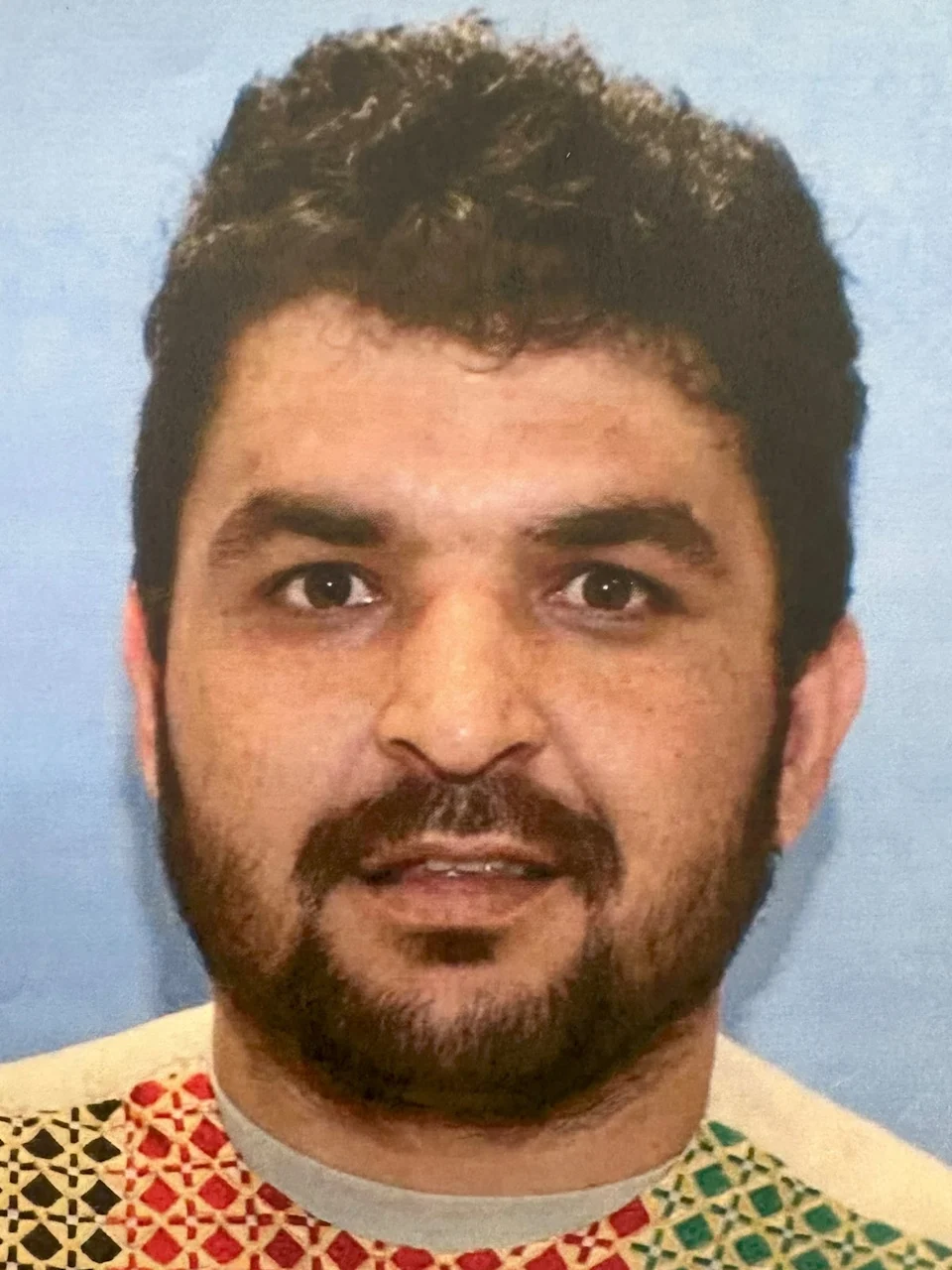
The Biden–Harris administration evacuated approximately 80,000 Afghans during the summer of 2021 as U.S. forces withdrew from Afghanistan. Rahmanullah Lakanwal was among them. The administration did not stop there: it continued to create additional pathways for Afghans to enter the United States – ultimately bringing in more than 200,000 individuals. These arrivals were provided federal benefits, health insurance, work authorization, Social Security numbers, English-language instruction, mental-health support, and more. The associated costs reached into the billions of dollars, borne by American taxpayers.
Contrary to popular narratives, most Afghans admitted during and after the evacuation had nothing to do with the U.S. government or any of its contractors. They were not U.S. “allies,” nor were they “persecuted” individuals in need of refugee resettlement. Lacking immigrant visas, they were granted “parole”, a temporary permission to enter and remain in the United States. Once here, the Biden-Harris administration contracted resettlement agencies not only to provide the standard Reception and Placement (R&P) assistance – normally limited to refugees – but also to help Afghan parolees pursue long-term immigration pathways, including adjustment of status through qualifying family relationships, Special Immigrant Visa (SIV) applications, or asylum claims.
This raises a fundamental question: Why did the prior administration choose to open the door (and keep it wide open) to hundreds of thousands of Afghans who were not at risk, despite the clear limitations of our vetting capacity of these individuals? And how many more Rahmanullah Lakanwals are there, time-bombs waiting to turn against the country that welcomed them?
Evacuation: Operation Allies Refuge
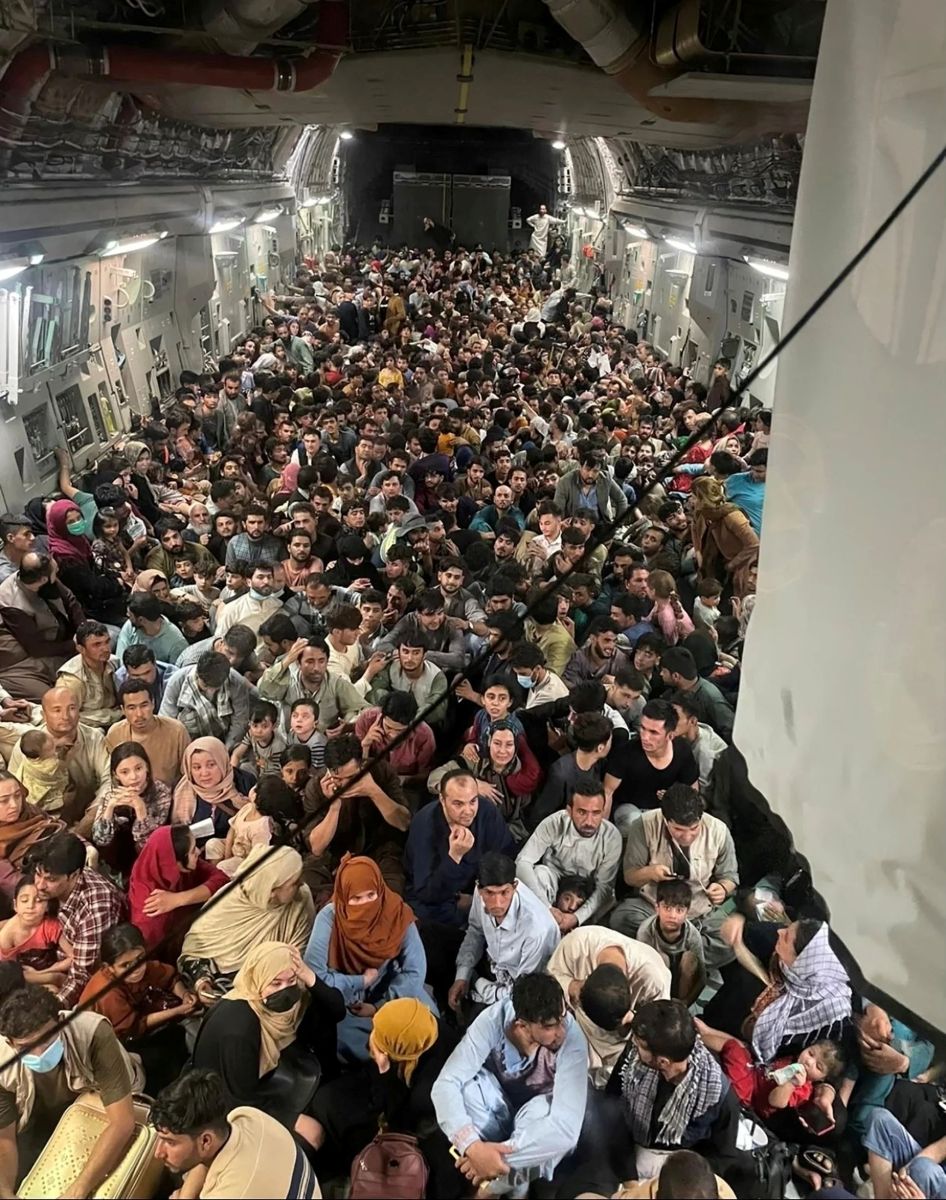
Following the withdrawal of U.S. troops from Afghanistan, some 80,000 Afghans were evacuated by the Biden-Harris administration as part of “Operation Allies Refuge” in July-August 2021. Despite the program’s name, the majority of those airlifted were not our “Allies” – i.e. Afghan nationals who had supported the U.S. forces, government personnel, or contractors, and faced a serious threat as a result of that employment. Amid the chaos and the urgency of the evacuation, U.S. officials allowed virtually anyone who could reach the airport and board a flight to do so.
Rahmanullah Lakanwal, the individual charged in the recent ambush attack that killed one National Guard member and critically injured another, was on one of them.
Most Afghan evacuees (including Lakanwal) did not have a visa to be admitted into the United States. They did not have Special Immigrant Visas (SIVs) – visas specifically granted to Afghan “allies” – nor were they “persecuted” Afghans looking to be resettled as refugees under the U.S. Refugee Admissions Program (USRAP). Hence, the use of “parole” to admit them into the United States.
Immigration Parole is an “official permission to enter and remain temporarily in the United States. It does not constitute formal admission under the U.S. immigration system.” Afghan evacuees were “paroled” in per order of former DHS Secretary Alejandro Mayorkas for a period of two years. Re-parole was made available to Afghan parolees in 2023.
Both SIVs and refugees are authorized to live permanently in the United States (SIVs are granted green cards upon admission, while refugees must apply for a green card one year after arrival), whereas parolees are supposed to be here temporarily.
Afghan parolees can apply to adjust their status based, for example, on a qualifying relationship to a family member or apply for either an SIV status or asylum.
Of the 80,000 Afghan evacuees, 72,550 were paroled into the United States. Eighteen months into their stay, fewer than 5,000 were approved for asylum or SIV status.
- Questions: Did Lakanwal apply for an SIV status and, if so, was his application denied? On what grounds? He was granted asylum in April 2025; what specific basis for persecution did he assert in his asylum claim? After receiving asylum, did he legally purchase a firearm in the United States?
Processing and Relocation into American Communities: Operation Allies Welcome
Once the evacuation effort (Operation Allies Refuge) ended, former President Biden directed Mayorkas to coordinate efforts across the federal government to support all evacuated Afghans: “Operation Allies Welcome” was underway.
Evacuees were transported to designated temporary overseas transit centers, known as “lily pads,” and to military bases within the United States, referred to as “safe havens”. Eight such safe haven installations were provided by United States Department of Defense (DOD) – now referred to as the Department of War – to house Afghan evacuees: Marine Corps Base Quantico, Virginia; Fort Pickett, Virginia; Fort Lee, Virginia; Holloman Air Force Base, New Mexico; Fort McCoy, Wisconsin; Fort Bliss, Texas; Joint Base McGuire-Dix-Lakehurst, New Jersey; and Camp Atterbury, Indiana.
This came at a significant cost to American taxpayers. For instance, housing 3,755 Afghan evacuees at Marine Corps Base Quantico in Virginia for four months (August-December 2021) cost $226.7 million.
- Question: Which base was Lakanwal evacuated to?
Evacuees were provided with numerous services on U.S.-bases, including food and shelter, medical care and mental health services, worship tents, Afghan-led English classes as well as classes on American culture, hygiene, and women’s health. Afghan nationals were also able to apply for work authorization documents (EADs, or work permits) with U.S. Citizenship and Immigration Services (USCIS) personnel and were connected to resettlement services.
USCIS personnel were adjudicating applications for employment authorization (EADs) and providing administrative support and translation services, “to expedite the processing of applications for immigrant status and work authorization.” The State Department and the Office of Refugee Resettlement (ORR) in the Department of Health and Human Services were working to provide “initial relocation support to Afghans granted parole and to ensure that those Afghans arriving in American communities have initial support, including health insurance.” Top relocation states of Afghan parolees were Texas, California and Virginia.
The “Sponsor Circle Program for Afghans” was also launched in October 2021 to encourage private individuals to form “sponsor circles” to help with initial relocation, “complementing the work of the State Department’s non-profit resettlement agency partners.”
- Question: Was Lakanwal assisted by a Sponsor Circle?
Through the “Afghan Placement and Assistance Program (APA)” that was created in 2021, individuals were placed in communities across the country. The Bureau of Population, Refugees, and Migration (PRM) signed new cooperative agreements with nine resettlement agencies to implement the APA Program. Usually, resettlement agencies are only responsible for the Reception and Placement (R&P) assistance but under the APA program, they were also required to help Afghan parolees with accessing immigration legal services to apply for asylum or another legal status to remain in the United States following the termination of their parole.
- Questions: Which resettlement agency and local affiliate were responsible for providing services to Lakanwal? Did the agency assist him in pursuing any immigration status adjustments in the United States, including an SIV application or an asylum claim?
Bringing in More Afghans Through a Route to Citizenship
On September 27, 2022, the last of the Afghan evacuees departed from the safe haven facility at the National Conference Center (NCC) in Northern Virginia outside Washington to settle in cities across the United States.
Despite the completion of these relocation operations, the Biden-Harris administration declared it remained “fully committed to continuing the work of welcoming and resettling Afghan nationals”:
Our commitment to our Afghan allies is enduring and, as part of the U.S. government’s efforts to continue welcoming our Afghan allies, we are adopting a new model whereby Afghan nationals arriving will travel directly to their new communities without a safe haven stop-over in the United States.
The U.S. government also remains committed to supporting and continues to develop processes for family reunification for Afghans. [Emphasis added.]
Accordingly, the prior administration pivoted towards “welcoming Afghan nationals through programs that have long-term durable status.” Its pledge to resettle Afghans carried no “end date”, “doubling down on existing immigrant pathways” to help those interested in coming to the United States.
“Operation Allies Welcome” transitioned into “Enduring Welcome” as part of a longer-term strategy to bring certain Afghan nationals and their family members who remained abroad through “durable immigration pathways”. The idea was to move away from the “temporary” parole system and ensure that future Afghan arrivals had a direct pathway to permanent legal status in the United States. The U.S. government focused on three categories of Afghans: immediate family members of U.S. citizens, permanent residents and evacuees; those who qualify for SIVs; and potential refugees.
In August 2021, the Biden-Harris administration announced a Pre-defined Group Access P-2 (Priority 2 - Group Referrals)1 to USRAP for certain Afghan nationals and their eligible family members. P-2 is available to Afghans who are not SIVs or SIV applicants but worked for a project in Afghanistan supported by a U.S. government grant or cooperative agreement or to those who worked for a U.S.-based media or NGO as a freelancer.
Afghans who were not “Allies” but were made eligible for this P-2 resettlement by the Biden-Harris administration included the following:
- Afghans who do not meet the minimum time-in-service for an SIV but who work/worked as employees of contractors, locally employed staff, interpreters or translators for the U.S. government, including United States Forces Afghanistan (USFOR-A), International Security Assistance Force (ISAF), or Resolute Support.
- Afghans who work/worked for a U.S. government-funded program or project in Afghanistan supported through a U.S. government grant or cooperative agreement.
- Afghans who are or were employed in Afghanistan by a U.S.-based media organization or NGO. U.S.-based media organizations may also refer Afghan nationals who worked for them under stringer, freelance, and comparable arrangements.
The Biden-Harris administration continued to process refugee cases for Afghans in third countries across the world. PRM and USCIS began processing applications of Afghan refugees in Pakistan in July 2023 and had “significantly increased processing capacity” as of January 2024. As of early July 2024, PRM accepted 28,000 P-1 (individual) and P-2 (group) referrals for Afghan principal applicants.
Moreover, under the Welcome Corps for Afghans, a new program introduced by the Biden-Harris administration within USRAP, U.S.-based sponsors (including Afghan newcomers) could select and welcome Afghan refugees and SIVs to the United States, including those they know. The program allowed for the preferential selection of “refugees” by their friends/family already here. Sponsor groups could support one family of up to 10 people at a time. The sponsor group had to wait 90 days, beginning when the individual or family arrived in the United States, before submitting another sponsorship application.
And, in early 2023, the same administration introduced a “Family Reunification for Afghans” program that allowed Afghan parolees who are here supposedly temporarily to sponsor their family members to come to the United States as refugees (i.e. as potential future American citizens).
In April 2023, the Office of the Special Coordinator for Afghanistan (OSCA) was created, with Daniel Schneiderman appointed as Senior Coordinator.
- Questions: Was Lakanwal evacuated alone? If yes, how did his family members follow him here? Were they sponsored through the Welcome Corps for Afghans or did Lakanwal himself petition for them through the Family Reunification Program for Afghans? What status do Lakanwal’s family members hold? Were any of his children born in the United States?
The Office of the Coordinator for Afghan Relocation Efforts (CARE) was established in 2021 as a “whole-of-society operation to continue to relocate and resettle eligible Afghans.” Led by career diplomat Mara Tekach, CARE was the U.S. government’s centralized coordinator for identifying, relocating, processing and admitting Afghans through various pathways including SIV, Refugee status (P-1, P-2, or P-4 (the Welcome Corps)) or parole – from their departure from Afghanistan through their arrival and relocation into American communities. A Memorandum of Understanding (MOU) was updated and signed in 2023 between the State Department and AfghanEvac (a “coalition of more than 200 organizations working alongside the U.S. Government to support Afghan relocation efforts”) that advocates for the admission of Afghans and a “pathway to permanent residency” for Afghan evacuees already here. The MOU institutionalized “the innovative public-private partnership established in August 2021.”
Most Afghans Who Came and Want to Come to the U.S. Are Not “Allies”
Under the Biden-Harris administration, U.S. communities (mainly in Texas, California, Virginia, Washington, and Pennsylvania) welcomed close to 200,000 “Afghan newcomers” following the withdrawal of U.S. troops in August 2021. They were, for the most part, not our “allies” and were only granted parole.
Only 28,145 Afghans were admitted here as refugees through USRAP (from the beginning of FY 2022 through the first three months of FY 2025) and only 68,654 Afghans were granted SIVs (this includes principal applicants and eligible family members – spouses and children of any age, whether married or unmarried). Knowing that Afghan derivative applicants are usually at least four times that of principal applicants, only about 17,000 SIVs have been granted to principal applicants – i.e., actual Afghan “allies.”
More importantly, SIVs are numerically capped. As of January 1, 2025, close to11,000 SIV spots were available to principal applicants. Some even estimate that number to be less than 10,000.
Benefits and Services
In principle, parolees, unlike SIVs and resettled refugees, have only limited access to benefits and services. But Afghan (and Ukrainian) parolees were added to the ORR list of beneficiaries by the Biden-Harris administration.
Under the prior administration, State and ORR were working to provide “initial relocation support to Afghans granted parole and to ensure that those Afghans arriving in American communities have initial support, including health insurance.”
Congress later passed legislation (the Afghanistan Supplemental Appropriations Act, 2022, and the Additional Afghanistan Supplemental Appropriations Act, 2022) making Afghan parolees eligible for the same resettlement assistance, entitlement programs, and other federal benefits provided to refugees.
Those benefits are numerous; they include employment training, English-language training, job placement, cash, support with housing, community orientation, health services, enrollment in various benefits and welfare programs, etc. Refugees also receive Refugee Cash Assistance (RCA) and Refugee Medical Assistance (RMA) upon arrival. Those two programs (RCA and RMA) were extended from eight to 12 months by the Biden-Harris administration.
Afghan parolees were also allowed to apply for a driver’s license or identification card under section 202 of the REAL ID Act of 2005 (division B of Public Law 109–13; 49 U.S.C. 30301 note), notwithstanding subsection (c)(2)(B) of that law, which limits access to certain categories of aliens.
- Question: Did Lakanwal get a driver’s license or identification card?
Those numerous benefits were not just made available for the 80,000 individuals who were hastily evacuated out of Afghanistan during Operation Allies Refuge. Those paroled into the United States afterward, throughout fiscal year 2022 (which ended September 30, 2022), were also eligible for the same benefits. Moreover, spouses and children of those Afghan parolees arriving at any time after the end of FY 2022 (no time limit beyond that date was specified) will have access to those benefits as well.
Additional advantages were also added to that list. Contrary to SIVs and refugees, parolees are not provided with a pathway to citizenship and are expected to leave when their period of parole expires. They could, however, apply for work authorization and seek employment during their stay here. Unlike refugees who are authorized for employment incident to status (meaning they are authorized to work indefinitely upon admission to the United States because their immigration status does not expire — and are not charged a fee for applying), parolees are not employment-authorized incident to status and must pay a fee for their work permits – unless the fee is waived or exempted, which is exactly what the Biden-Harris administration did.
The prior administration provided the “benefits of employment authorization incident to status normally accorded to refugees and a no-fee initial” (and replacement of an initial) EAD to Afghan (and Ukrainian) parolees in order for them to receive the same treatment as refugees. Effective November 21, 2022, Afghan parolees and their qualifying family members were considered “employment authorized incident to parole, which means that they do not need to wait for USCIS to approve their Form I-765, Application for Employment Authorization, before they can work in the United States”. They were not to be charged any fee for these filings.
Afghan parolees had access to other ORR benefits. ORR funded the Immigration Legal Services for Afghan Arrivals (ILSAA) project, which provided free (i.e., taxpayer-funded) legal services to Afghans in the United States. ILSAA supported “pathways to permanent residence”, such as obtaining asylum, Special Immigrant Visa status, or family reunification.
Moreover, services to Afghan Survivors Impacted by Combat (SASIC) were launched by ORR in February 2023 to support eligible Afghans and their families to overcome long-lasting trauma. Through congressional funding provided to ORR, and through a one-time competitive application process, 24 SASIC grants were awarded across the United States. Services through SASIC were to be available through February 15, 2026.
Vetting: Where and How?
We can’t talk about the admission of Afghan nationals without addressing the problem of efficient vetting. Some claim that Afghans are rigorously vetted, but, as both my colleagues Mark Krikorian and Andrew Arthur have explained, the screening and vetting of Afghan nationals is at best misleadingly reassuring. We know of the absence of dependable screening measures for nationals from conflict zones, such as Afghans and Syrians, and of the impossible task of crosschecking backgrounds.
Furthermore, while vetting is essential, it only gives us a glimpse of the past and present; it doesn’t secure the future. Shared values and successful integration are the best shields against radicalization.
A couple of years ago, I wrote about a young Afghan (21 at the time) who was evacuated in 2021 by the Biden-Harris administration and was arrested less than two months into his stay in the United States for engaging in a prohibited sexual conduct with minor and possessing child pornography images. Most of the mitigating circumstances presented by the defense to get leniency at sentencing touched on his cultural difference: some sexual conduct that is deemed criminal in the United States is considered normal in Afghanistan. Even if he was indeed “rigorously screened” and all the documents pertaining to his judicial history in Afghanistan were available, he would still have been cleared to enter the United States. In this young man’s case, nothing was missed because there was probably nothing to find. His village in rural Afghanistan does not have a regularized criminal justice system; disputes there are resolved through inter-family mediation.
It is indeed naive to think that newcomers are necessarily going to leave their beliefs and biases behind.
1 Priority 1: Individual cases referred by designated entities to the program by virtue of their circumstances and apparent need for resettlement. Priority 2: Groups of special concern designated by the Department of State as having access to the program by virtue of their circumstances and apparent need for resettlement.