
Early on Sunday morning, a shooter opened fire near Buford’s Backyard Beer Garden, a bar in Austin, Texas’s, 6th Street entertainment district. Two were killed and 14 injured (three are in critical condition), but police quickly responded and killed the attacker, who has since been identified as Ndiaga Diagne, a naturalized U.S. citizen originally from the West African nation of Senegal. Diagne was wearing a sweatshirt emblazoned, “Property of Allah”, raising fears the attack was linked to the recent U.S. action against Iran, but motive is just one of many questions this incident raises.
Diagne’s Journey to Citizenship
The New York Post reports Diagne was admitted to the United States on March 13, 2000, on a B-2 “tourist visa”.
With limited exceptions, B-2 tourists are generally permitted to remain for 180 days, but Diagne was apparently still in this country in June 2006, when he married a U.S. citizen and began the “adjustment” process to obtain a green card.
Just less than seven years later, in April 2013, Diagne was naturalized, suggesting he didn’t waste much time before applying for citizenship. That said, as the Migration Policy Institute has noted, a much higher percentage of natives of sub-Saharan Africa (such as Senegalese) naturalize compared to immigrants overall.
The Post claims Diagne (who first resided in New York) “went on to lodge a string of other arrests in the Big Apple between 2008 and 2016”, which raises the question of how he overcame the hurdles to naturalization so quickly. But as the outlet adds, “those three arrests are sealed” — a common practice under New York law.
Strangely, however, the paper also reports that Diagne “applied for asylum in 2016”, which doesn’t make sense: As a U.S. citizen, he neither would have been eligible to seek humanitarian protection nor would he have needed it to remain here — unless at some point he was denaturalized, a fact not raised in any reporting on his case.
It would, however, have made sense for Diagne to have filed an “affirmative asylum” application with USCIS at some point after he entered as a B-2 and before he married a U.S. citizen spouse.
Such a filing would both have barred DHS from removing Diagne while his asylum application was pending and would also have extended his period of authorized status in this country.
Post-Naturalization
A search of nycmarriageindex.com (not an official database, but one run by a “not-for-profit activist group” called Reclaim the Records based on “Freedom of Information and Open Data requests”), however, reveals two marriages for a “Ndiaga Diagne” in New York City: one on December 30, 2005, in the Bronx and a second one on March 20, 2012, in Manhattan.
It’s not clear whether both records pertain to the same “Ndiaga Diagne” (admittedly not a common name), but if they do it raises a question about the validity of the first marriage, given Diagne apparently had no status in this country in December 2005 and his marriage to a U.S. citizen would have enabled him to obtain a green card.
The local ABC affiliate in San Antonio has reported that:
A woman who identified herself as Diagne’s ex-wife told ABC News they moved to San Antonio together from New York in 2017.
...
The woman said they moved to Texas because they wanted more space for their family, including their two children.
She said they divorced in 2022 and that she has not spoken to Diagne in four or five years. The woman said she knew nothing about the shooting and was shocked to hear about it.
Diagne’s ex-wife confirmed he was religious, but did not elaborate.
The 2017 move would be consistent with a local report that Diagne received a Texas driver’s license with a Pflugerville (Texas) address in 2017, but with a different street address than the one FBI agents searched in connection with the shooting on Sunday.
The Post cites unnamed sources who stated that Diagne “was known to authorities as an emotionally disturbed person in both New York and Texas before Sunday’s bloody rampage” — which would suggest additional police involvement, but again the paper offers no additional details.
The one interaction Diagne had with the cops in Texas that has been widely mentioned is a misdemeanor arrest for “collision with vehicle damage” there in 2022.
It’s not clear what crime he would have been charged with for a simple fender-bender, but I’ll note that both “hit-and-run” and failure to render aid following a traffic accident is a “class C” or “class B” misdemeanor under Texas law, depending on the damage done.
Motive and Other Questions
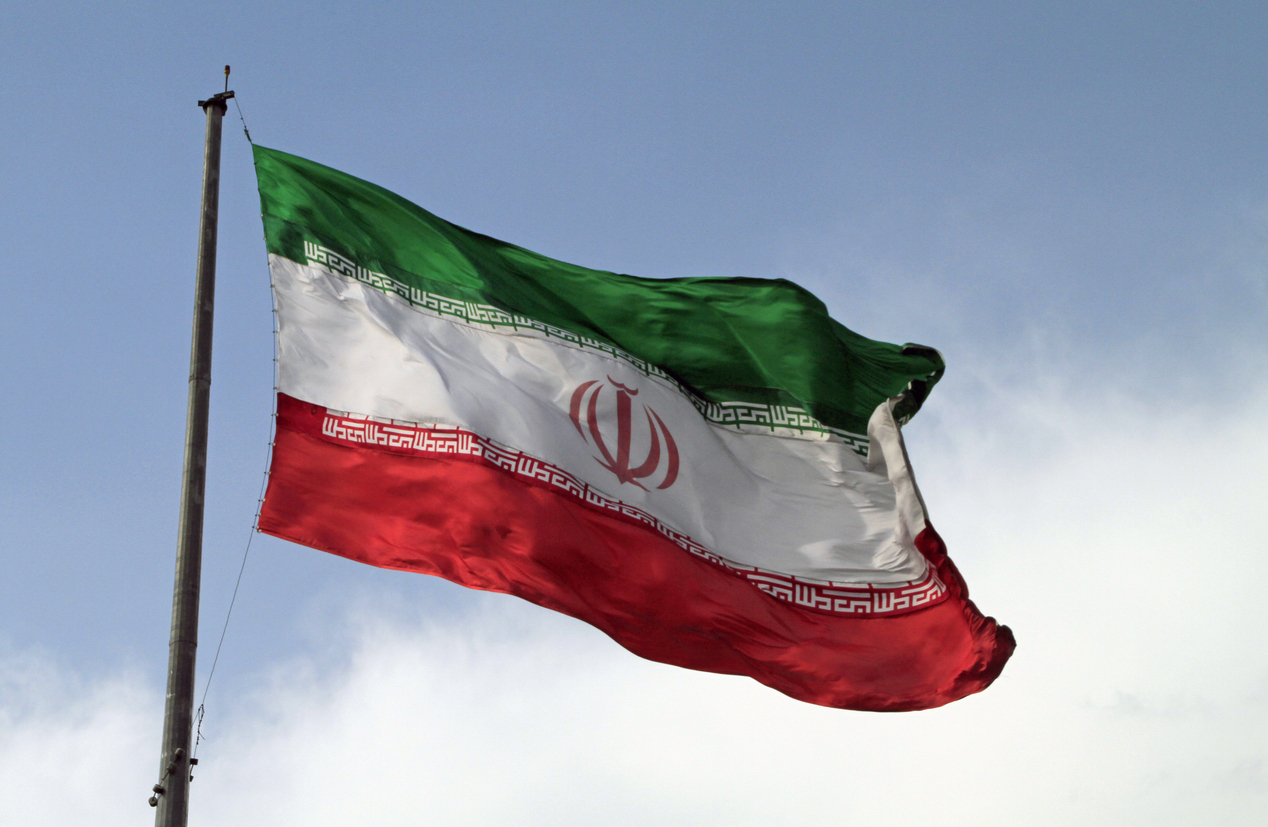
On March 2, CBS News reported Diagne was wearing a “shirt emblazoned with a design similar to the Iranian flag” under his “Property of Allah” sweatshirt at the time of the shooting, that he had a copy of the Quran in his vehicle, and that the search of his residence uncovered “an Iranian flag and pictures of Iranian leaders”.
I’ll note my mother drove around with a Roman Missal and countless mass cards for years, but in the context of this shooting, authorities might have questions about Diagne’s possession of the listed items.
Motive is just one of many unanswered questions in the Austin attack.
How was Ndiaga Diagne able to remain after his tourist admission expired? When and why did he apply for asylum? Was his marriage to a U.S. citizen valid or just for green-card purposes? And why didn’t his criminal record keep him from being naturalized? All are great questions; don’t be surprised if authorities are asking them, as well.